Essay 01 · Recalled in full
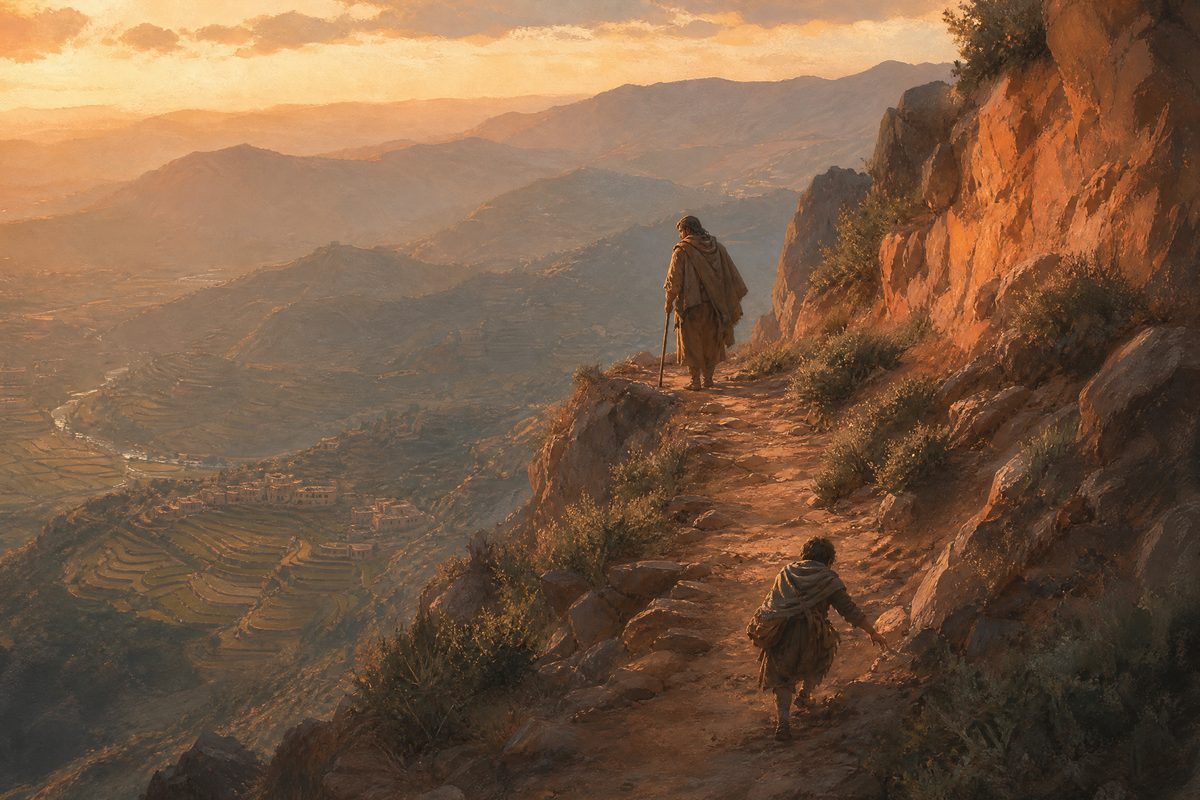
Nothing in the design documents can have described this. A pathfinding rule, an animation, a threshold distance. And yet it is the only thing from forty-one hours that survived a year intact, ahead of the plot, the ending and every named antagonist.
Volume four 41 hours Recall: full
Essay 02
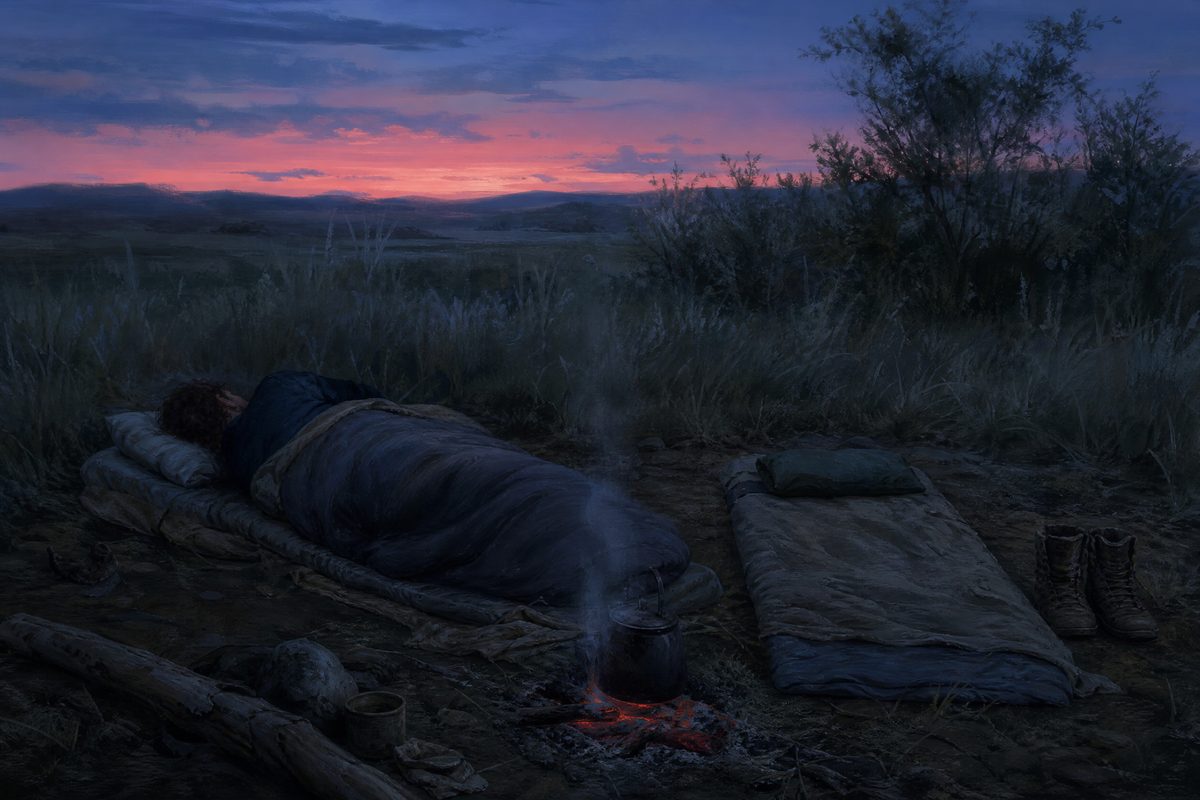
A camp that lays out two beds and only ever fills one. Some games do this by accident. This one did it for thirty hours before the reason arrived, and the reason was worth the wait.
36 hours Recall: full
Essay 03
Not one line of dialogue in twenty-two hours, and the strongest attachment recorded in this volume. What a companion does turns out to matter far more than what it says.
22 hours Recall: full
Essay 04
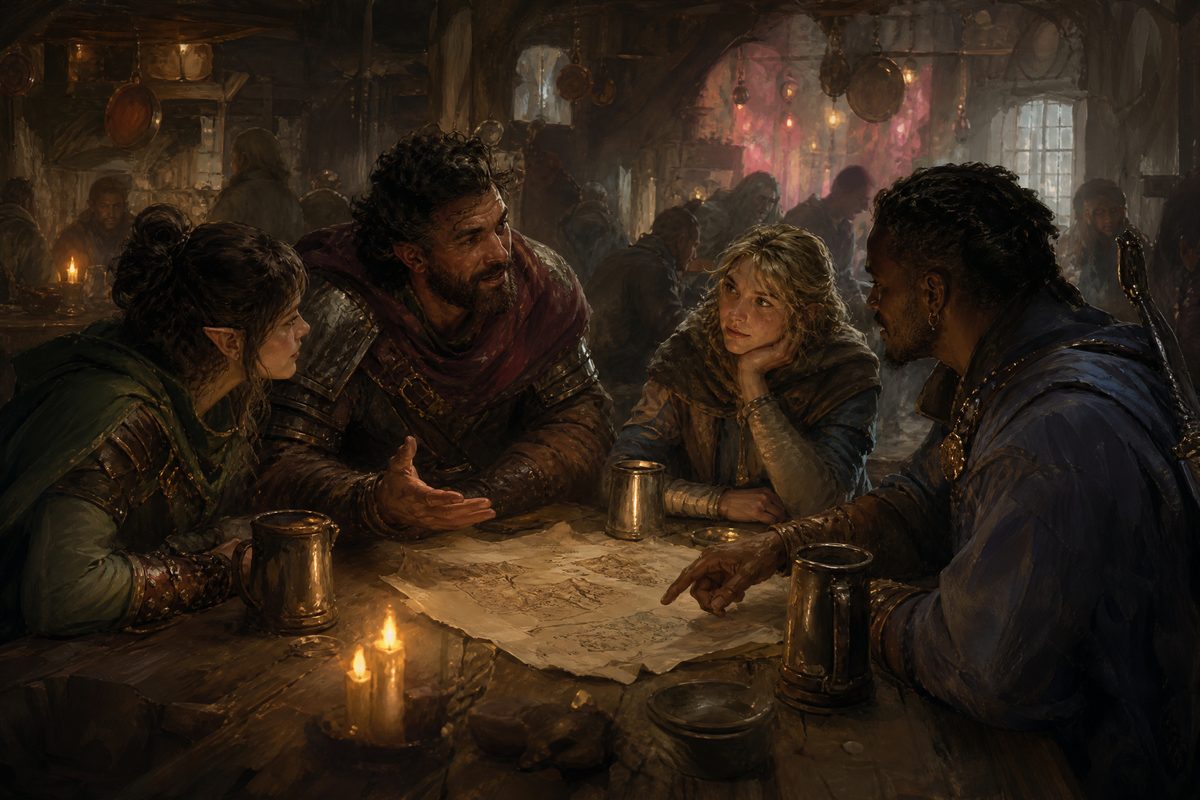
Four companions who disagree with each other and with me, in a scene the game never resolves. A year later I remember all four names and none of the quest they were arguing about.
52 hours Recall: 4 of 4
Essay 05
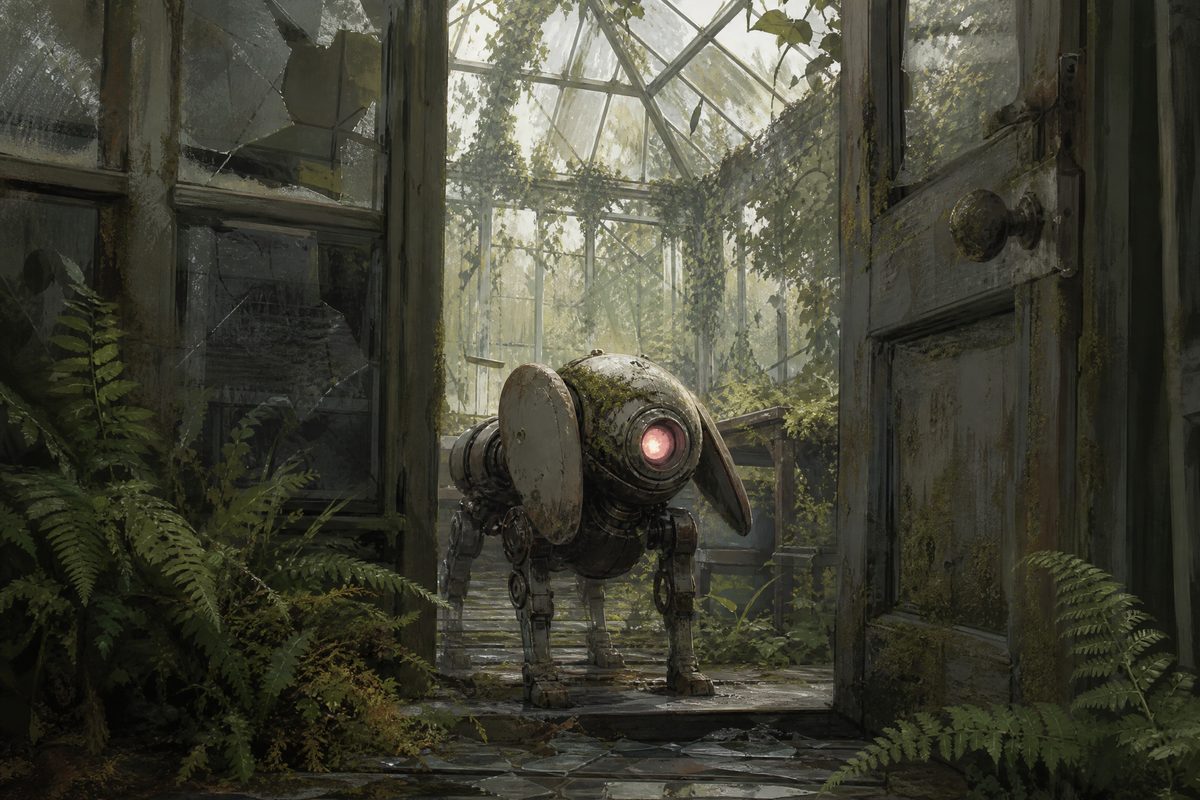
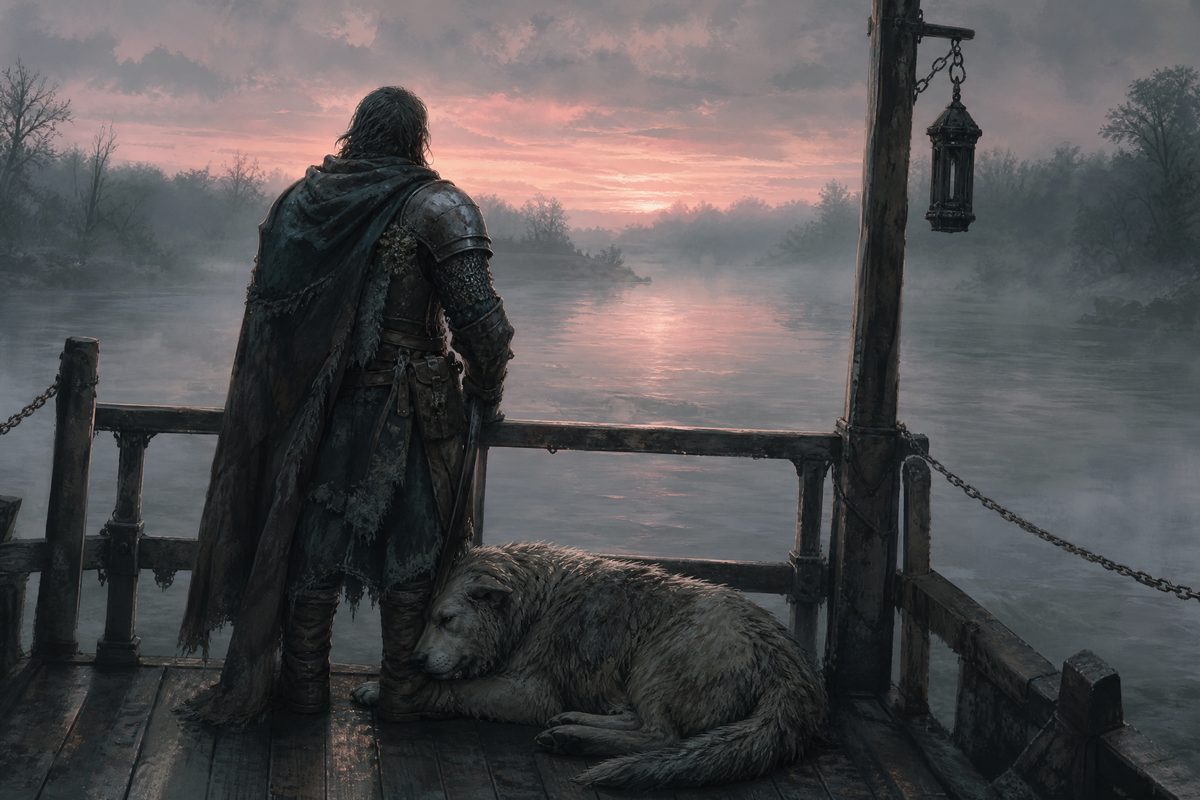
An animal companion with no combat function, no inventory, no upgrade path and no dialogue. It exists to be somewhere near you, and it is the reason two of us finished the game.
29 hours Recall: full
Essay 06
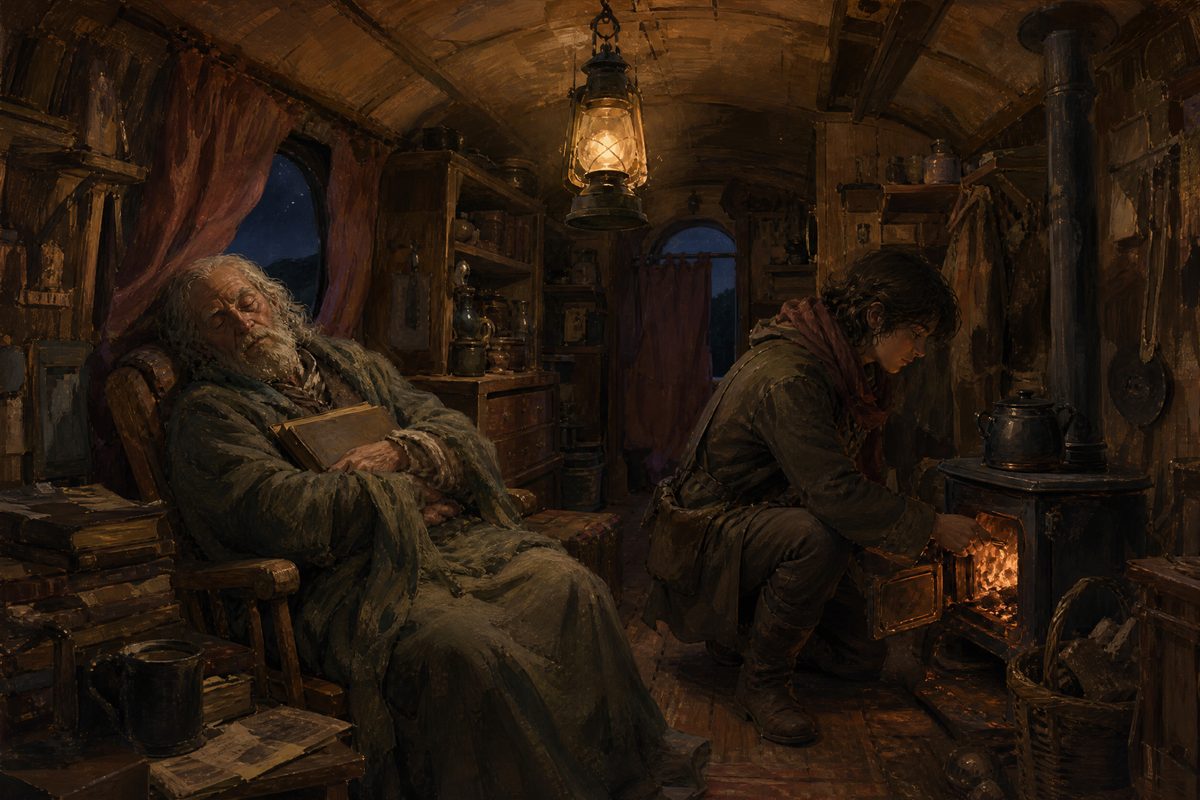
The companion who is asleep when you arrive and asleep when you leave, and the small chore the game asks you to do for them without telling you it counts.
34 hours Recall: partial
Why a year later
Writing about a companion the week you finish a game tells you how well the ending worked. Writing about them a year later tells you whether the character existed at all. Those are different questions, and only the second one interests us.
The procedure is unglamorous. We finish a game, close our notes, and file the save. Twelve months later, before reopening anything, each of us writes down every companion name we can produce and one sentence about each. Then we compare that page against the notes we took at the time, and the gap between the two is the essay.
Fourteen of thirty-one survived this volume. What predicted survival was not screen time, not plot centrality and not the quality of the writing. It was whether the character had a habit — something they did repeatedly, in no particular scene, for no stated reason. The woman on the ridge in our lead essay has one. The extensively written tragic heroine two of us could not name has none.
The recall categories
- FullName, habit and one specific scene, unprompted.
- PartialHabit or scene, but the name gone or wrong.
- RoleOnly the function remembered: the healer, the driver.
- NoneNo trace at all, including from a written prompt.